This year, teams will explore how robots can contribute to shaping, preserving, and enriching art and culture in our world. From ancient cave paintings to cutting-edge digital creations, and from fashion to architecture, humans have always used creativity to tell stories, safeguard traditions, and spark change. Now, robots are becoming collaborators and guardians of our cultural heritage. They can revive historical artworks, assist in creating new and innovative art forms, and make cultural treasures more accessible to people everywhere. Robots also empower communities to share their stories in exciting and transformative ways.
301, Abu Dhabi Plaza Tower, Hamdan Street, Abu Dhabi +971 2 635 0444
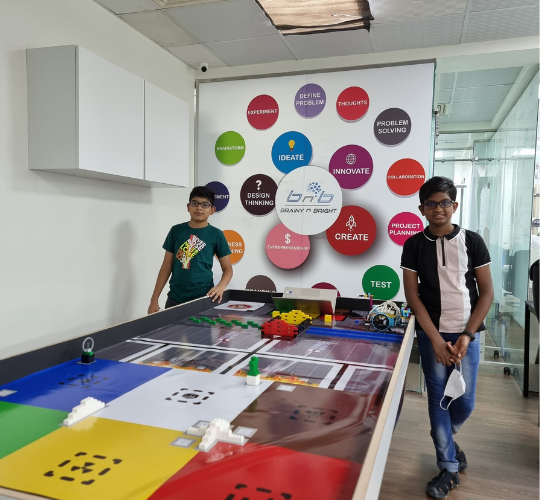
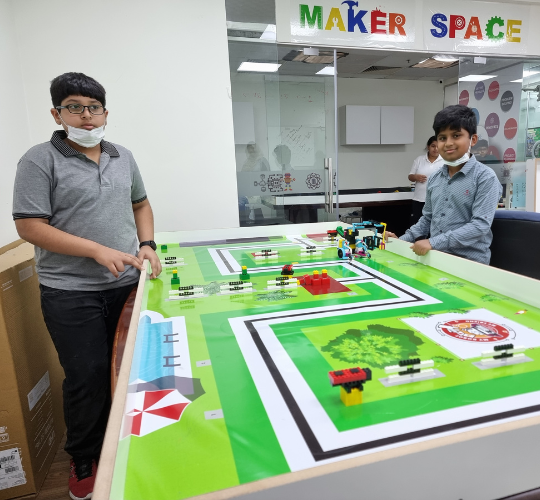
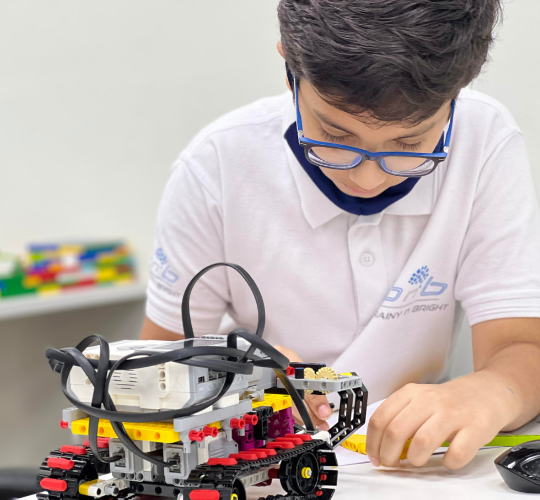
Teams design fully autonomous robots to complete yearly missions on a competition field. Each age group faces a new field and challenges, including surprise rules or extra tasks on competition day.
Students develop:
Missions increase in complexity from Elementary to Senior, including:
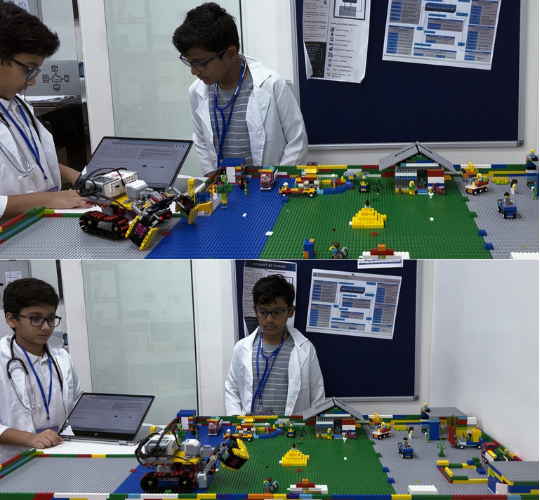
In the WRO Future Innovators category, teams develop a robot that helps solve real-world problems. Each year features a new theme, often linked to the UN Sustainable Development Goals. After researching the theme, teams create an innovative, functional robotic solution and present it on competition day.
Students develop:
Teams design autonomous robots that compete against another team. Each match features 2 robots per team, programmed to play and collaborate on the field. The sport changes every 4–5 years.
Students develop:
In the WRO Future Engineers category, teams focus on the full engineering process. Points are awarded for documenting progress in a public GitHub repository. Challenges evolve yearly (20–30% changes) and completely refresh every 4–5 years. In the Self-Driving Cars challenge, robotic vehicles navigate autonomously on a parkour that changes each competition round.
Students develop: